
Eczema
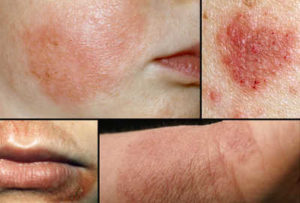
When your skin appears inflamed, itchy, red, cracked and rough in patches; you are probably suffering from Eczema. This patchy skin sometimes shows blisters too. In scientific terms, it is called atopic dermatitis which is the most common type of Eczema.
The term eczema can be used to describe mild skin rashes, but atopic dermatitis is a chronic condition which may start during infancy and continue till childhood. Atopic generally refers to a collection of issues revolving around immune system like asthma, hay fever etc, while dermatitis means inflammation of the skin.
The appearance of skin affected by Eczema depends on how much a person scratches and whether the skin is infected or not. Severe scratching and rubbing irritates the skin further resulting in increased inflammation and makes itchiness worse.
Eczema is not a contagious disorder.
There are many different types of eczema which include:
- Allergic Contact Eczema (Dermatitis)
- Dyshidrotic Eczema
- Neurodermatitis
- Nummular Eczema
- Seborrheic Eczema
- Stasis Dermatitis
What causes Eczema?
Certain foods such as nuts, dairy and greasy preparations may trigger the symptoms. Environmental factors such as smoke, pollution and pollen also become causes of Eczema. Pollen coming from tree blossom is one of the many potential triggers of eczema. As such, the specific cause of Eczema is still not zeroed in to, but it may get developed due to genetic and environmental factors. Kids may suffer from the disorder if the parents suffered from it.
Outer or environment based factors that trigger Eczema are:
- Irritants – soaps, detergents, shampoos, disinfectants, juices from fresh fruits, meats, or vegetables.
- Allergens – Dust mites, pets, pollens, mold, and dandruff.
- Microbes – Bacteria such as Staphylococcus aureus, viruses, and certain fungi.
- Hot and cold temperatures – Very hot or cold weather, high and low humidity, and perspiration from exercise.
- Foods – Dairy products, eggs, nuts and seeds, soy products, and wheat.
- Stress – It is not a cause of eczema but can make symptoms worse.
- Hormones – Women can experience worsening of eczema symptoms at times when their hormone levels are changing, for example during pregnancy and at certain points in their menstrual cycle.
What are the common symptoms of Eczema?
It is usually manifested in infants and occurs as dry scaly patches of skin. The patches are often intensely itchy and cause too much discomfort. Symptoms of the problem may also wary at different ages. Here are a few symptoms as observed with varied age groups:
Infants
- Rashes on scalp and cheeks.
- Bubbled up rashes that exude fluid.
- Extreme itchiness, which may interfere with sleeping.
- Continuous rubbing and scratching can lead to skin infections.
Kids From 2 Years Old To Puberty
- Rashes behind the creases of elbows or knees, on neck, wrists, ankles, and the crease between buttock and legs.
- Overtime, rashes become bumpy like goose-bumps.
- Rashes often change color, they get lighter or darker.
- Rashes can thicken and then develop knots and a permanent itch.
Adults
- Rashes in the creases of elbows or knees, or the nape of neck.
- They cover much of the body.
- They become prominent especially on neck, face, and around the eyes.
- Skin is extremely dry due to rashes.
- Permanent itch on the rash covered areas.
- Skin is visibly scaly, more than what it is in case of infants and kids.
- Severe skin infections may be caused due to rashes.
Adults who developed Eczema as a child but no longer experience the condition may still have dry or easily irritated skin, hand eczema, and eye problems.
The Treatment for Eczema
Treatment for Eczema majorly focuses on healing damaged skin and alleviating the symptoms which is based on patient’s age, visible symptoms, and state of health. In some cases, a skin biopsy may be needed to diagnose the condition completely and prescribe a proper treatment.
There is no absolute cure found for Eczema as yet, however, medication and lifestyle changes help to keep the discomfort at bay.
Lifestyle changes:
- Lukewarm baths.
- Applying moisturizer within 3 minutes of bathing to “lock in” the moisture.
- Moisturizing every day without fail.
- Wearing cotton and soft fabrics, and avoiding rough, scratchy fibres.
- Avoiding tight-fitting clothing.
- Using mild soap or a non-soap cleanser to wash and bathe.
- Air drying or gently patting skin dry with a towel and avoiding rubbing.
- Avoiding rapid changes of temperature.
- Avoiding activities that trigger sweating. Sweat act as a catalyst to itch and discomfort.
- Learning individual eczema triggers and avoiding them.
- Using a humidifier in dry or cold weather to balance the air.
- Keeping fingernails short to prevent severe scratching and breaking the skin.
Medications that are usually prescribed for Eczema are:
- Topical corticosteroid creams and ointments
- Systemic corticosteroids for severity of the condition
- Antibiotics to kill bacterial infections.
- Medications to treat fungal and viral infections if present.
- Antihistamines to cause drowsiness and reduce the risk of scratching at night
- Topical calcineurin inhibitors to suppress immune activities and decrease the inflammation
- Barrier repair moisturizers to take care of water loss and to repair the damaged skin
- Phototherapy is also a remedy prescribed to treat mild to moderate dermatitis. It involves exposure to ultraviolet A or B waves, alone or combined. The is monitored carefully.
Once a particular area on skin is healed, it is of utmost importance to keep an eye and take good care to stop the reoccurrence soon.
To book an appointment for Treatment for Eczema in Delhi with Dr. Sumit Gupta, contact us at: +91-9560064696 or info@anoopam.sjos.in